
Tagged: #DriveSoberPA, #DUIAwareness, #DUIvsDWI, #LegalDrivingPA, #PennsylvaniaDUI, #PittsburghDrivers
This topic contains 0 replies, has 1 voice, and was last updated by 
-
AuthorPosts
-
June 27, 2025 at 12:41 pm #21472
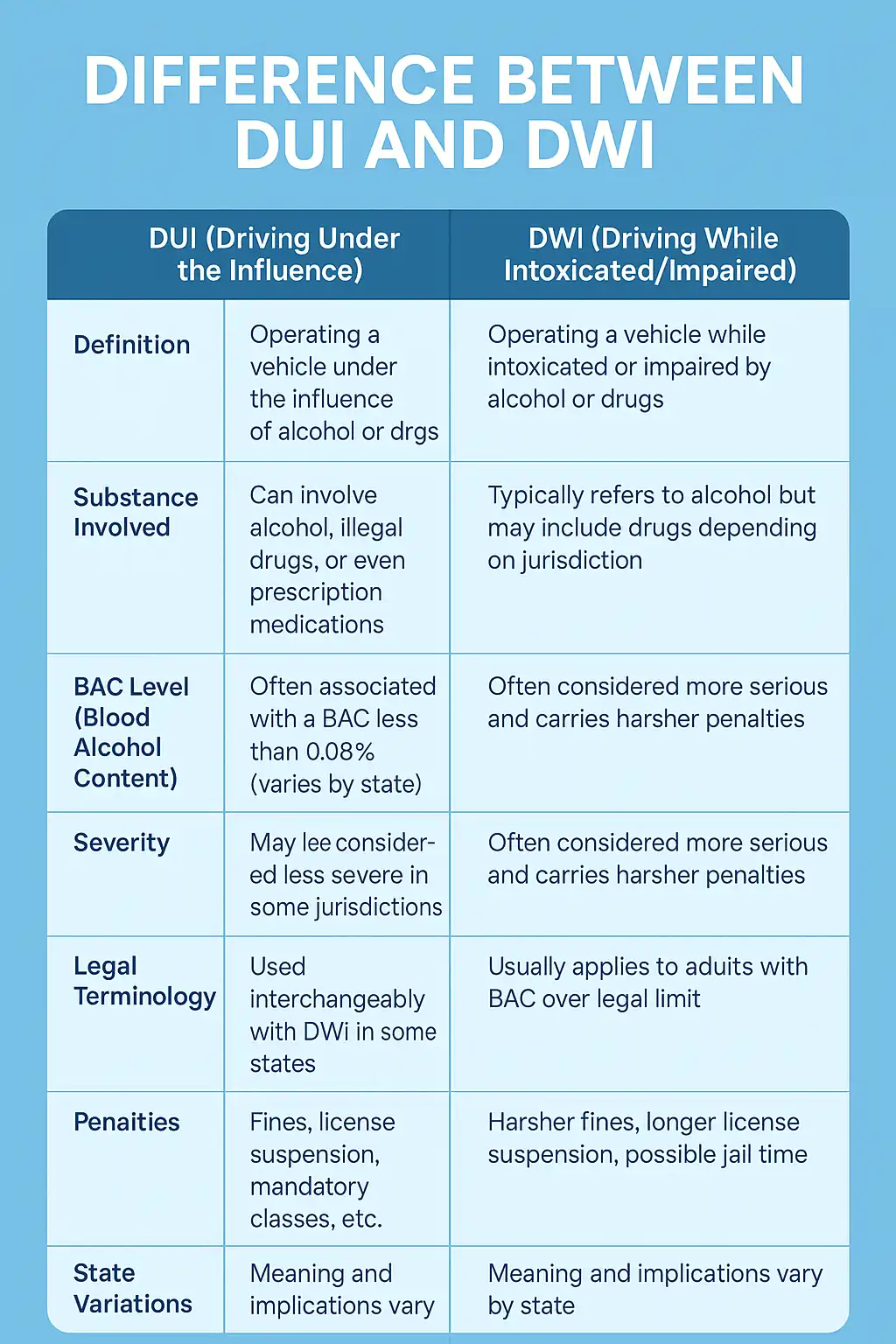
When it comes to impaired driving charges, many people in Pittsburgh use the terms DUI (Driving Under the Influence) and DWI (Driving While Intoxicated) interchangeably. But are they really the same? While both refer to offenses related to driving under the influence of alcohol or drugs, there are key differences that can significantly affect how you’re charged and what penalties you may face in Pennsylvania.
Whether you’re a resident of Allegheny County or driving through Pittsburgh’s busy neighborhoods, understanding these distinctions can help you stay informed—and possibly save your license or minimize penalties.
If you’re seeking detailed info tailored to local laws and consequences, this guide on the differences between DUI and DWI in Pittsburgh covers what you need to know.
Differences Between a DUI and DWI
What is a DUI?
In Pennsylvania, DUI stands for Driving Under the Influence, and it’s the official legal term used statewide. A DUI charge typically applies when a driver’s blood alcohol content (BAC) is at or above the legal limit of 0.08%. However, a DUI can also apply if you’re under the influence of controlled substances or certain prescription drugs that impair your ability to drive safely.Pennsylvania uses a three-tier DUI penalty system:
General impairment (0.08%–0.099%)
High BAC (0.10%–0.159%)
Highest BAC (0.16% and above or drug impairment)
Each level has escalating fines, license suspensions, and possible jail time depending on prior offenses.
What is a DWI?
Technically, DWI (Driving While Intoxicated) is not a charge that’s used in Pennsylvania. It is more common in other states like Texas or New York. In Pittsburgh and across the state, DUI is the only official term for impaired driving, regardless of whether the substance involved is alcohol or drugs.However, many still use “DWI” informally, and out-of-state drivers should be aware that legal definitions can vary depending on where you’re licensed.
Why the Distinction Matters in Pittsburgh
Although Pennsylvania doesn’t use the term DWI, understanding the difference is important if you move between states or are involved in a multi-state legal issue. For Pittsburgh drivers, a DUI conviction can lead to:Increased insurance premiums
License suspension
Mandatory treatment programs
Installation of ignition interlock devices
Being labeled a high-risk driver after a DUI may also push you into a different insurance category, which could make obtaining coverage more difficult and expensive.
-
AuthorPosts

You must be logged in to reply to this topic.